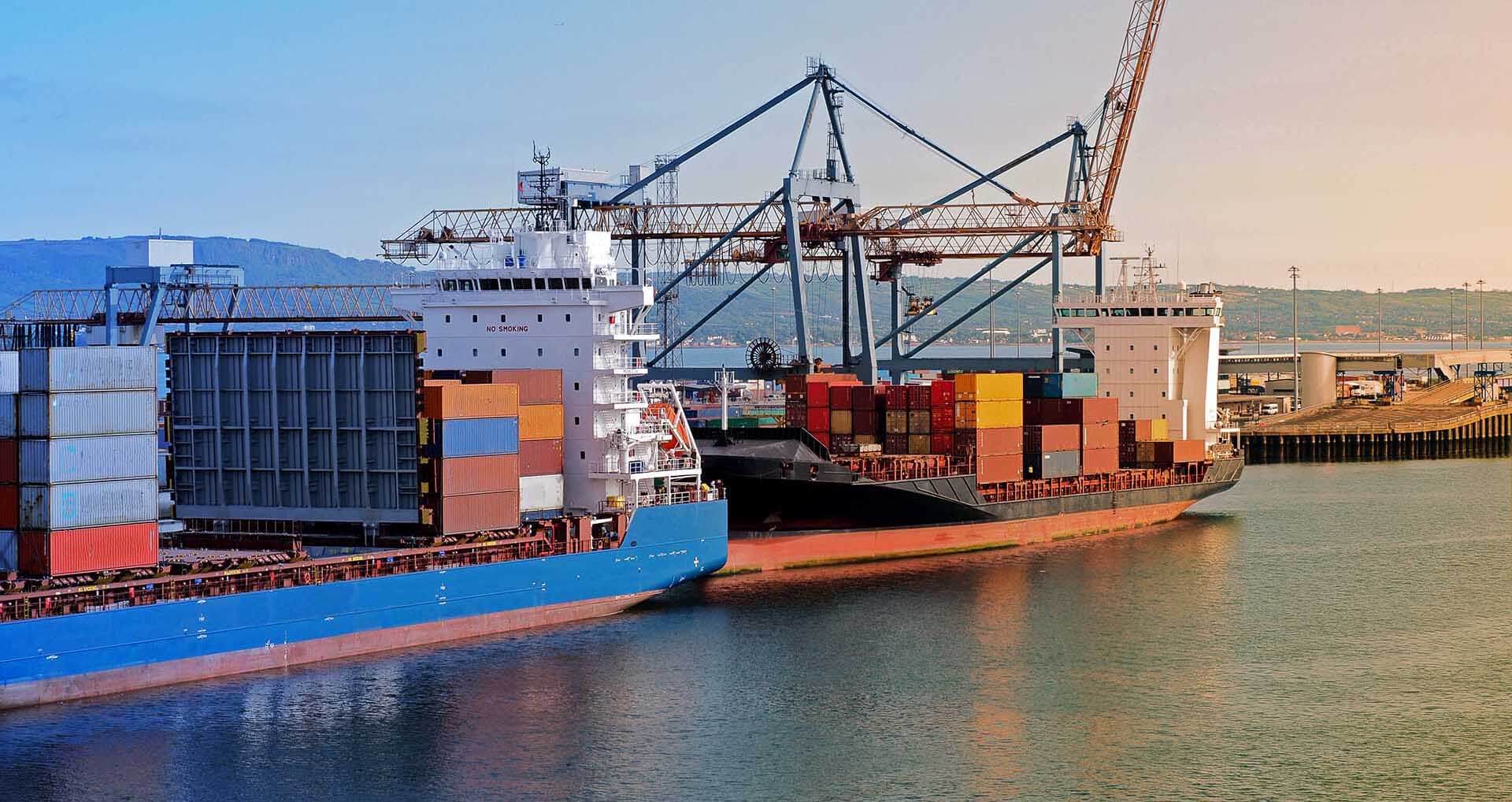
Supply chain disruption is set to continue for the foreseeable future. In this QAD Precision Report we examine business strategies companies can consider to fortify the supply chain.
We are almost already a quarter of the way done with the 21st century. These last few years have really weighed heavily on supply chain managers across the globe. Sickness, detrimental weather, fewer coworkers, new logistics rules and increasing customer demands are just some of the unwelcomed factors that have upturned the global supply chain.
Yes, time will pass and change is inevitable. Businesses that prepare for both are the ones best place to face the next challenge. Now is the time to rethink your supply chain strategy. You can strengthen the supply chain by taking the right precautions.
You can make the following moves to fortify your supply chain:
- Welcome the digital transformation
- Turn to the cloud
- Keep it local
- Prioritize compliance
Digitize Now and Scale
Modern supply chains should be digital. Get rid of the spreadsheets, bulletin boards, and even the sticky notes. Technology can do all that and faster.
Digital supply chain management (SCM):
- Automates key processes
- Grants access to a global trade network
- Mitigates risks
- Provides actionable real-time data
- Adapts to changing regulations and market conditions
Digitization gives significant advantages end-to-end across the supply chain. It is possible to automate processes from supply and demand planning to finding the fastest— or cheapest — carrier for final mile delivery. As a result, you free up logistic staff from repetitive manual processes. Instead, they can concentrate on more value-added work, leading to an increase in productivity.
Unify On the Cloud
In a similar vein, you can’t think of instant information without thinking of the cloud. The cloud gives us the ability to easily connect with more customers and companies, no matter where they are in the world.
The cloud allows you to mature your logistics model, breaking down silos both within your organization and across your network of suppliers, customers and carriers. Technology can provide real-time visibility of supply chain conditions. The cloud provides quick visibility for accurate forecasts and accurate information for quick decisions. “Collaboration” isn’t just a buzzword, it’s possible.
Stay Close
It is possible to communicate and collaborate instantly to anyone around the world. Unfortunately, we have not yet reached a point where we can instantly materialize goods like in science fiction.
For a long time, many supply chain models included strategies such as Just-in-Time inventory. Parts and raw materials arrived from far flung suppliers around the world as they were needed. This allowed companies to reduce inventory costs.
In response to supply chain challenges brought about by ongoing disruption many companies are reassessing offshoring strategies. The inability to get goods just-in-time interrupted production cycles — in some cases, closing down resulting in temporary factory closures.
Nearshoring or reshoring is a huge undertaking, both logistically and financially. Having said that, it can be profitable to have some of the supply closer to where the demand is to fortify your supply chain.
FTZs, or Foreign-Trade Zones, are great investments in terms of supply and agility. An FTZ is an area where raw materials or goods can be landed, stored, manufactured or reconfigured without paying duties.
By placing inventory in an FTZ, you avoid paying tariffs, until such time as finished products are made available in the local market. If goods are re-exported no duties are ever paid. FTZs that are close to the demand can help strike a balance between local, regional, and global strategies.
Follow the Rules
Finally, the easiest move to make is one that simply takes diligence: make sure you’re knowledgeable and compliant. Companies are increasingly engaging in cross-border trade, but a regulation violation can set your company back dramatically with fees, reputational damage, and other consequences. To make matters worse, these regulations and other factors like the restricted parties list are quite fluid.
Global trade management software helps to effectively avoid any issues — and trade more profitably. Your global trade strategy could include duty reduction strategies, such as leveraging a free trade agreement. In addition, important compliance checks when importing or exporting goods can also be automated.
Global trade management is not simply about avoiding fines and compliance missteps. Done properly, it offers a distinct competitive advantage, helping reduce supply chain costs from procurement to the delivery of the final product.