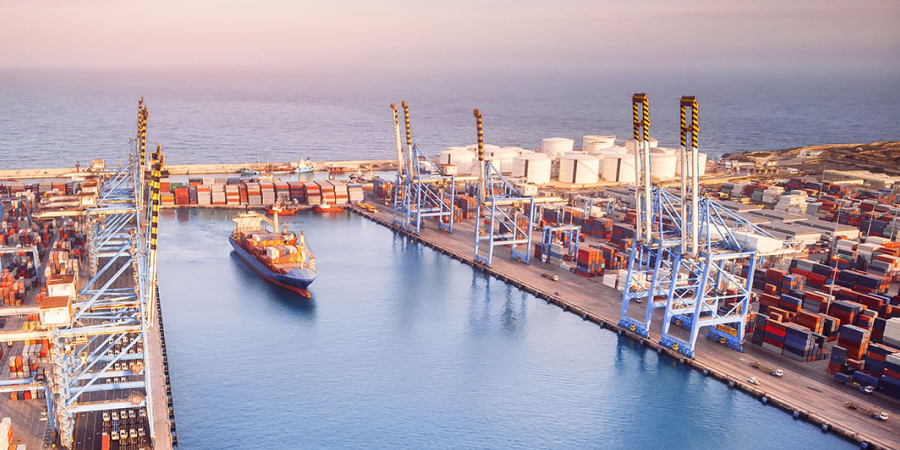
On May 14, 2024, the White House announced increased tariffs on Chinese imports across industry sectors that include steel and aluminum, semiconductors, electric vehicles, batteries, critical minerals, solar cells, ship-to-shore cranes and medical products. Many of these sectors are crucial to the Biden administration’s plans to reshore manufacturing, enhance supply chain resilience, and strengthen the transition to more sustainable energy.
The White House stated that the tariff increases are intended “to protect American workers and companies from China’s unfair trade practices,” such as intellectual property theft. Also cited was China’s “export surges that pose significant threats to American workers, businesses, and communities.” The products subject to the increased tariffs are targeted at the same sectors where the United States is making large infrastructure and other investments.
What Actions Might Your Company Need to Consider?
Following are actions your organization can consider in response to the recent China tariff increases announcement:
- Assess the impact: Conduct an analysis of how the increased tariffs will affect the cost of your imported goods. This includes recalculating the total landed cost and identifying which products and components will see significant cost increases.
- Explore alternative suppliers: Look for suppliers in countries that are not subject to the increased tariffs. This might involve developing new supplier relationships or increasing orders from existing suppliers in tariff-free regions.
- Reshore production: Review the feasibility of reshoring manufacturing operations to the United States or moving to countries with more favorable trade terms.
- Optimize inventory levels: Balance carrying costs against the risks of supply chain disruptions. Consider increasing the inventory levels of critical products prior to the tariffs taking effect.
- Classify goods correctly: Ensure that all imported goods are correctly classified under the Harmonized System (HS) to avoid unnecessary tariffs.
- Establish a Foreign-Trade Zone (FTZ): Goods imported into an FTZ are not subjected to tariffs until such time as the finished products are entered into the US domestic market. The tariffs on finished products may also be lower than on imported parts and components.
QAD Helps Your Organization in Various Areas
QAD can help your business navigate the complexities of tariffs, including those recently imposed on China, in several ways:
- Tariff Classification: QAD Import Management includes the ability to accurately classify goods according to the Harmonized System (HS) codes. This ensures that companies are applying the correct tariff rates, including those that may be specific to China.
- Duty and Tax Calculation: Duties, taxes and fees can be automatically calculated for importing goods from China, taking into account the latest tariff rates. This helps your business estimate the total landed cost of your imported goods.
- Trade Agreement Utilization: Free Trade Agreement software identifies opportunities to leverage free trade agreements (FTAs) or other trade preference programs that may reduce or eliminate tariffs for specific goods or under certain conditions.
- Foreign-Trade Zone Management: QAD FTZ allows for cost-saving and operational benefits, including the reduction or elimination of duty payments and Merchandise Processing Fees. Your organization benefits from greater efficiency by reducing the burdensome record-keeping associated with goods entering and exiting the zone.
- Global Trade Compliance: QAD helps ensure compliance with trade regulations by managing the documentation and reporting requirements for imports and exports. This includes maintaining transaction records and ensuring that all necessary filings with customs authorities are completed accurately and on time.
- Scenario Planning: QAD offers scenario planning so your business can model different scenarios. This includes considering changes in tariff rates or sourcing strategies to understand the financial and operational impacts.
- Sourcing and Supplier Management: QAD’s solutions can assist in evaluating and managing suppliers and sourcing strategies to mitigate the impact of tariffs. This includes analyzing alternative suppliers in different countries or regions with more favorable trade terms.
Visit our website to find out more about how QAD can help you address fluctuating and increasing tariffs.