There are words we use in common language that have become increasingly aversive over the past year. Words like “quarantine”, “social distancing” and *gasp* “virtual”. As the world slowly heals from arguably the largest global disruption in recent history, some words will begin to drop from our everyday language pools. But there are other words that have surfaced, also brought on by the pandemic, that will likely remain in our business vernacular for some time.
Three Vs of Manufacturing Labor Challenges
The disruption caused by COVID-19 has highlighted the vital role and vulnerability of the manufacturing workforce. Let’s take a look at three “V” words that have edged their way into the foreground and discuss the effects they have had on direct labor.
Virus
The word “virus” has never been an attractive or good-sounding word. They’re bad for our bodies and bad for our digital infrastructure. The word itself is cringeworthy. Yet it has burrowed its way into the manufacturing world in more ways than one. There is the obvious area of health and safety in the workplace, whereby extra safety measures and policies have to be developed and communicated to help employees fight against the spread of — you guessed it — viruses. There is also the area of workforce management. The loss of labor hours due to employee exposure or the inability to move to a remote work environment have presented real challenges — not to mention the loss of labor due to retiring machine operators.
Vital
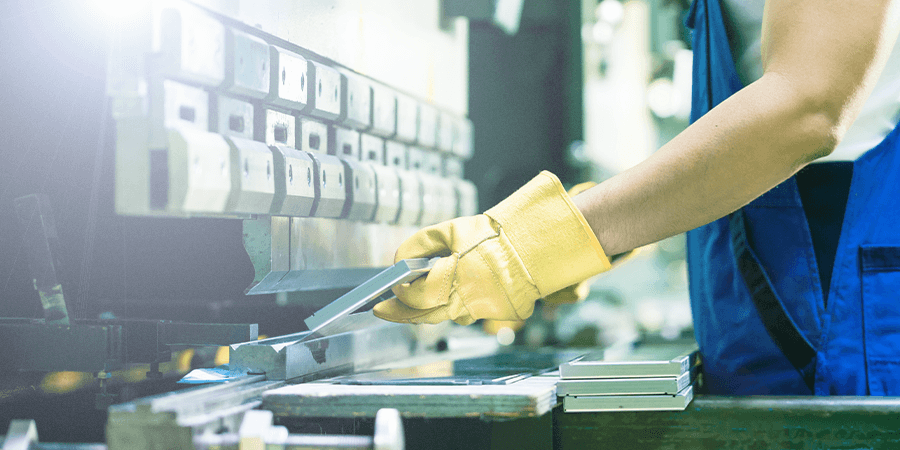
The majority of manufacturers still depend on a direct workforce to come in every day and cast the polymer, deform the metal and work the injection molding machines. The shop floor still demands there be boots on the ground because it is the people who are most vital to the business. Just as there are essential workers on the frontlines of the pandemic, there are individuals who keep the production lines operational in manufacturing plants. Technologies like AI and machine learning will inevitably find their way into the mix, but the real differentiator for manufacturers will be hiring roles that fulfill the most important of tasks and help close the manufacturing skills gap.
Vulnerable
The COVID-19 pandemic certainly brought out vulnerabilities in the global manufacturing ecosystem. It has shown us how vulnerable the manufacturing labor workforce is, with many businesses having already had to make major adjustments to protect theirs. It has also uncovered vulnerabilities in manufacturing information systems and protocols, especially those that have been in place for many years. Information systems will need to evolve to better serve the shop floor. This system evolution has even sparked a renewed interest in augmented reality solutions to compensate for shop floor inexperience.
Redefining the Shop Floor
In a recent article written for Industry Today, Glenn Graney, QAD’s Director of Industrial and High Tech, shares why direct labor is still the backbone of manufacturing and what the desired solution might look like in the scope of balancing training and experience with new roles and technology.
“The dynamics of a vulnerable workforce no longer align with an employee working at the same machine/station or on the same line for decades. Shop floor personnel must become generalists who can move fluidly from role to role performing a range of different jobs. This requires breaking the work into quickly learned, manageable activities and the delivery of contextual information. Information systems must quickly evolve to compensate for the lack of long-tail training and experience.” — Glenn Graney, Director of Industrial and High Tech
To learn more, read the full article in Industry Today, and check out this recent “2020 in Review” infographic.